
PERIODONTOLOGY

Periodontology is a branch of dental medicine that covers the diagnosis and therapy of dental tissue (gingiva) as well as diseases of the surrounding supporting tissues around the tooth (periodontal). Periodontal health is a prerequisite for dental health, and it is understood that any serious oral therapy also includes the treatment of any inflammation of the mucous membranes. Inadequate patient hygiene over time can lead to more severe mucosal and periodontal inflammation, and untreated over the years can lead to tooth loss. Therefore, before any major prosthetic procedure, periodontal therapy with the repair of mucosal diseases is one of the important tasks of our team.
PERIODONTAL DISEASE (gingivitis, periodontitis / periodontosis) is the most common disease in the oral cavity and is the cause of loss of many teeth. Gingivitis and periodontitis are serious inflammatory conditions of the oral cavity and, if left untreated, lead to the loss of the supporting structures of the tooth, ie the gums and bone, resulting in tooth loss. More worrying is the fact that more than 50% of adults have some form of periodontal disease, which, as one of the “silent diseases”, most often goes unnoticed in the initial stages.
The first sign of periodontal disease is gingivitis, commonly known as inflammation of the gums, and is manifested by bleeding when touching and brushing gums. It is caused by plaque buildup around the tooth. At this stage, gingivitis can still be prevented by improving oral hygiene – by changing the brushing technique and using thread and interdental brushes, which we will be happy to teach you. Untreated gingivitis can go into periodontitis. It is disturbing that most patients notice gum bleeding but do not perceive it as a problem that they should seek the advice of a specialist! For this reason, periodontitis is often only recognized at an advanced stage when one part of the tooth is already lost. Bacteria in the plaque lining the teeth (especially the lateral surfaces of the teeth that mostly remain uncleaned) release toxins that cause the gums to separate from the tooth and pockets, ie, the space between the tooth and gums, are formed. As periodontitis progresses, pockets deepen and the surface of the gums and bone becomes larger. Most often at this stage periodontitis has very mild symptoms. Consequently, by losing a large bone surface, the tooth loses its foothold and becomes wobbly and in a number of cases must be removed. Periodontal diseases not only affect the health of your teeth. Plaque toxins can also have a negative effect on the heart, they are linked to the progression of Alzheimer’s disease, lung disease, rheumatoid arthritis, cardiovascular disease …
It is important to emphasize that this disease can be prevented and treated, but it is important to contact the dentist at the first signs of it.
Signs and symptoms of periodontitis include:
- Swollen gums
- bright red or purple gums
- gums that pull away from your teeth making your teeth bigger than normal
- a new space develops between the teeth
- pus between the teeth and gums
- bad taste in the mouth
- Changes in the way your teeth fit together when you bite
There are different types of periodontitis. Chronic is a much more common type that mostly affects adults, although it can also occur in children. Aggressive periodontitis usually begins in childhood or adolescence and affects 1% to 2% of the population.

When to visit a dentist?
Healthy gums should be firm and pale pink in color. If they are swollen, red and easily bleed or show any signs and symptoms of periodontitis, visit your dentist as soon as possible. The sooner you ask for help, the better the chances are that you will remove the damage from periodontitis and prevent other serious health problems.
Treatment of periodontitis
There are several ways to treat periodontitis that depend on the severity of the disease. The goal of treatment is to clear gaps in which bacteria have accumulated and to prevent further damage. You will have the most success when you adopt a daily routine of good dental care.
DENTAL HYGIENE

Proper dental hygiene prevents tooth loss and caries. Here are some general tips for keeping your teeth healthy and well-groomed. Always try to consult your dental doctor for methods that are right for you.
Brush your teeth at least twice a day.
Brush your teeth thoroughly for about three minutes after each meal or at least twice a day. It is recommended to wait twenty minutes after eating.
Use a dental floss or an interdental brush
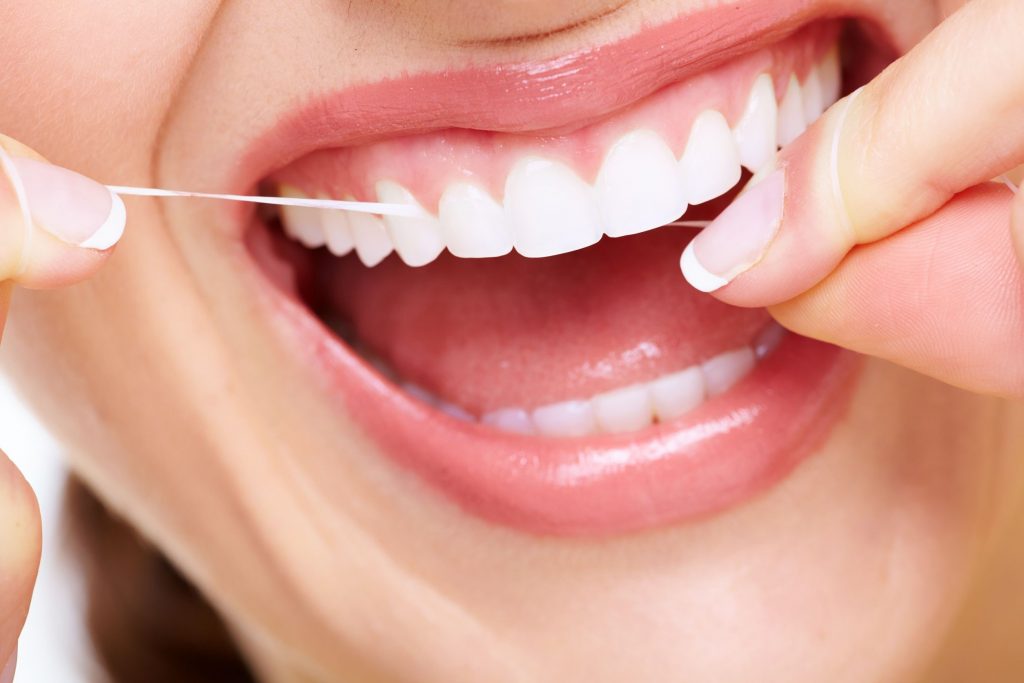
Bacteria like to slip into interdental spaces. It is advisable to use a dental floss or an interdental brush to prevent them from accumulating. In the dental implant area, no interdental thread is used but an interdental brush.
Find the right brush

There is a huge supply of toothbrushes on the market. Each one has a purpose, so it is best to consult a dental doctor about the best choice for you. Short-head toothbrushes are designed to maintain dental hygiene in the back of the jaw. Your brush should have three to four rows of fibers and should be easy and easy to handle.
It is recommended to change the brush every three months.Durable brushes can remove up to 30% less plaque and impurities.
Modern electric brushes maintain dental hygiene significantly better than classic brushes. It is also easier for children to use.
Always use toothpaste
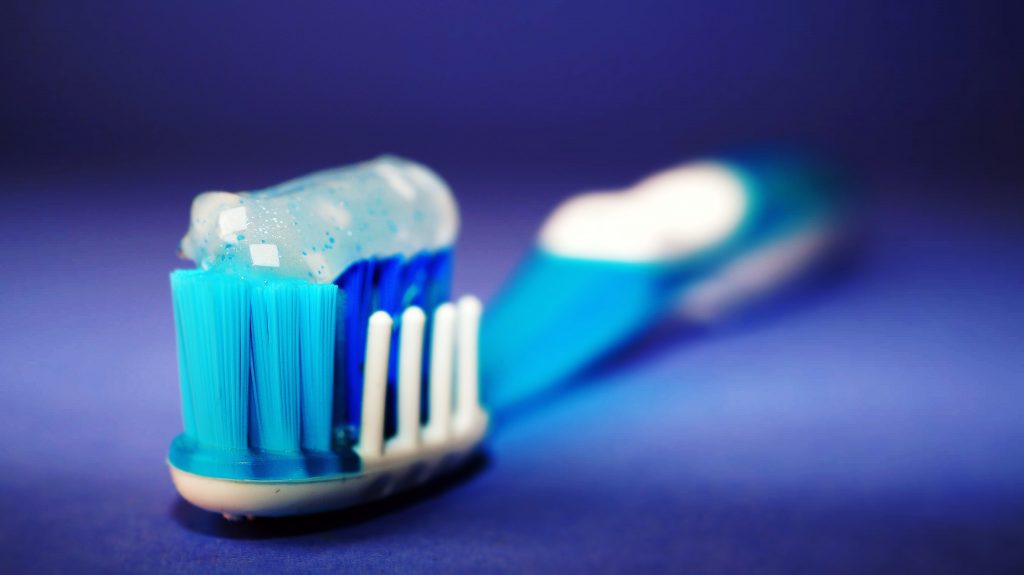
Not only does toothpaste give you fresh breath, it also keeps your toothbrush hygienic. Toothpastes, gels and rinsing fluids containing florid have an important role in preventing the development of caries.
Eliminate sugar from your diet

Avoid sugar-rich foods and beverages to reduce plaque in your mouth. Beware of the hidden sugars in your diet.
Regular controls

Visit your dental doctor twice a year to regularly monitor your dental health.
If you have additional questions or would like to make an appointment feel free to call us 021 537333.