
DENTAL PROSTHETICS

Dental prosthetics can be used to replace missing teeth and improve the appearance and functionality of existing teeth. Dental prosthetics include dental crowns, bridges metal or non metal and removable dentures.
Dental prosthetics are divided into fixed and removable appliances.
FIXED PROSTHETICS:
CROWNS
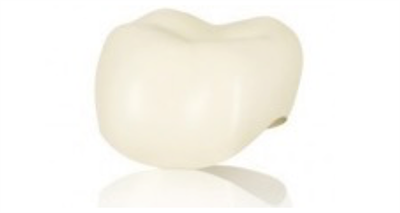
A crown is a fixed replacement that is placed on natural teeth to replace damaged and / or aesthetically unacceptable teeth. The tooth that is being replaced needs to be adjusted/drilled before an impression can be taken and thus the crown can be fitted. At the office of Dr Bigava Maršić crowns are of the highest quality materials offered which in addition to their function are characterized by high aesthetics to take into account the different needs and wishes of the patient.
There are 3 different types of crowns we offer:
1.Ceramic crown on METAL construction
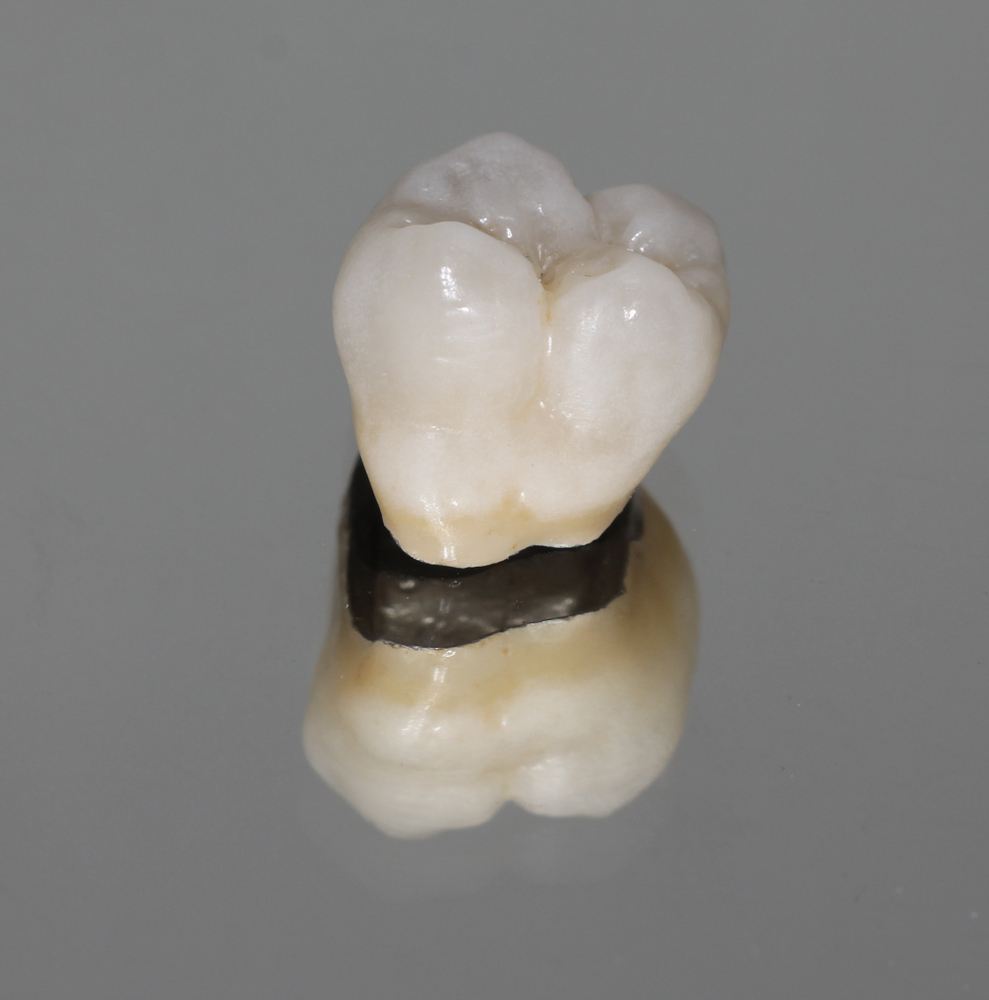
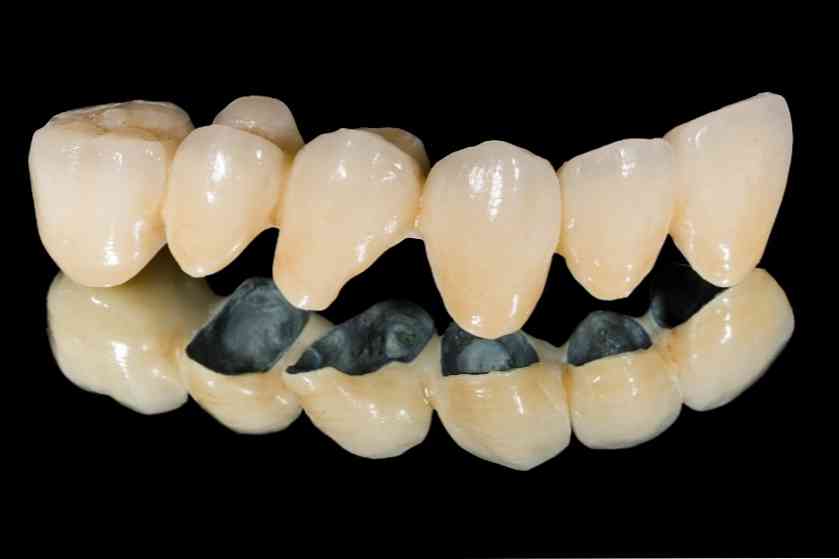
Metal ceramics are among the classic materials that are less and less satisfying to the needs and wishes of patients. The main disadvantages of metal-ceramics lie in the metal as a material.The natural transparency of the teeth cannot be reproduced , thus reducing the aesthetic value of the dental replacement and, over time, the appearance of a “black edge” due to the possibility of pulling the gums.
2.Ceramic crown on TITAN construction
Titanium ceramics is an extremely high quality and lightweight material that does not cause allergic reactions. Titanium-ceramic crowns feature comfort, high strength and neutral taste.
3.Ceramic crown on construction made of zirconia OR EMPRESS
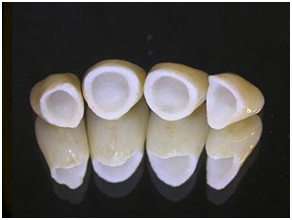
Zirconium oxide has been used for medical purposes for a long time. Clinical studies are over twenty years old. Over time, its production has become cheaper, so it has also found itself in the field of dental medicine as a material for crowns and bridges, which with its strong strength replaces metal structures. There is no longer the possibility of uncontrolled electrolysis in the mouth that occur between metal-ceramic bridges. It is a lightweight material that transmits light, which is extremely important for the natural appearance of crowns and bridges.
CONCLUSION is that zirconia construction:
- no reaction to hot and cold
- absolutely biocompatible
- Extremely good in relation to gums (not irritating)
- the surface accepts less plaque and dental plaque, which means that if you choose this material you will have better oral hygiene.
BRIDGES
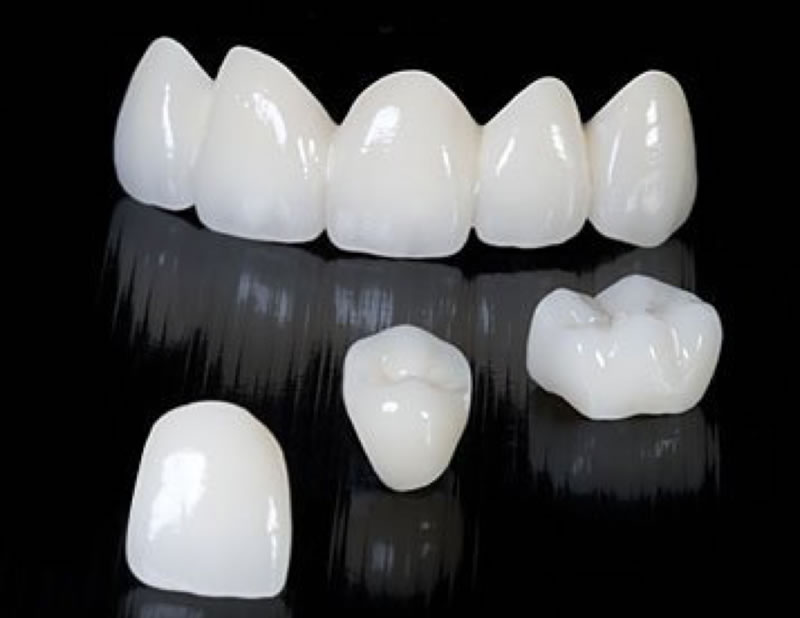
A dental bridge is a fixed prosthetic replacement that replaces one or more lost teeth, thus restoring the full functionality and aesthetics of the dental apparatus. Dental bridges are therefore used when we want to fill the gap between the teeth. If we do not fill the gaps between the tooth, we risk the other teeth in the mouth to move and eventually lose.
MOBILE PROSTHETICS
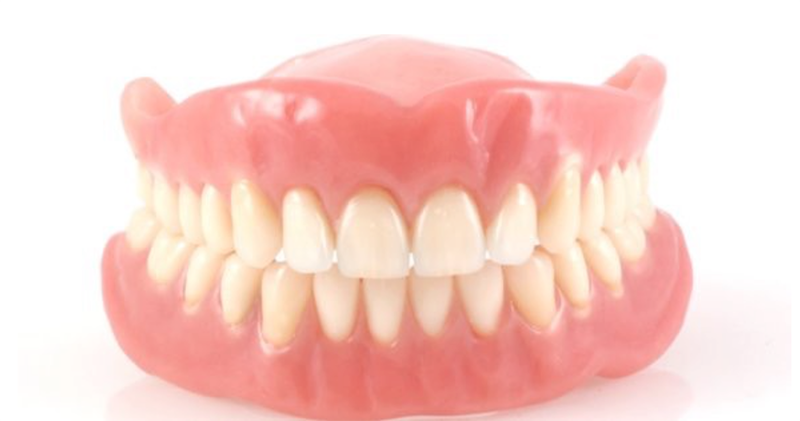
Nowadays with dentures functionality and beautiful and natural appearance can be achieved. There are several types and types of dentures, including partial and complete dentures. In our practice dentures are made of high quality acrylate and bio thermopress or vironite.
A partial denture is used when the patient is missing a smaller number of teeth. A complete denture compensates for the lack of teeth completely (toothless). It is only recommended as an alternative cost-effective solution for a toothless jaw repair when implant placement is not possible.
Thanks to the advances in medicine and technology, modern dentistry has the potential to offer everyone what nature could not, and these are third permanent teeth! In proven hands Dr Bigava Maršić, with good general patient health and adequate hygiene, the problem of missing teeth can be solved!
An acrylate total denture is a type of denture used in completely toothless patients. Aesthetically, all the criteria can be fully met, but after a long period of wear (5 years) they can cause a problem with the mucous membrane of the oral cavity. The upper total dentures are more stable than the lower ones because the upper jaw does not move, and a vacuum can be created between the denture itself and the mucous membrane, which gives additional stability. The lower total denture is a bit more problematic than the upper because the lower jaw moves and if the bone ridge is not pronounced enough to support the denture, then the denture moves and often leaves the prosthesis. The only cure is time, because patients get used to the situation and learn to control it.
A partial acrylic denture is essentially very similar to a total denture, except that it attaches to the surrounding remaining teeth with wire clips.
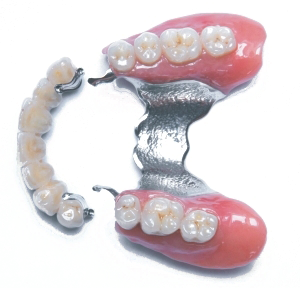
Partial skeleton – Wisil or vironite denture is an extremely good solution compared to partial acrylic dentures because it has a metal skeleton that gives it firmness. It is possible to reduce the coverage of the palate with acrylate by reducing it to one small metal tile. It is made in cases where the patient has several of his teeth that the denture can rely on. It is fastened with clips, which are not wired but made individually. The transfer of masticatory forces is better solved with this type of prosthesis. The chewing forces have an even effect on the remaining teeth, thereby relieving the jaw and thus reducing bone resorption.
FLEXIBLE / ACETAL DENTURES
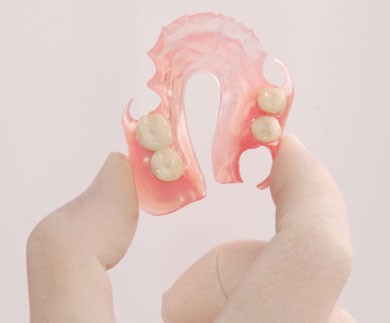
Partial acetal dentures with tooth-colored clips
As the name implies, these dentures are flexible . They are made entirely of one special type of plastic (Acetal), which allows for a very durable but lightweight construction.
TYPES OF DENTURES:
1.TOTAL DENTURE replaces all the patient’s teeth. It sits on top of the gums unlike dental bridges that are anchored to existing teeth. The complete denture is usually inserted within 8-12 weeks after the teeth have been extracted. Production time is 5-9 working days.
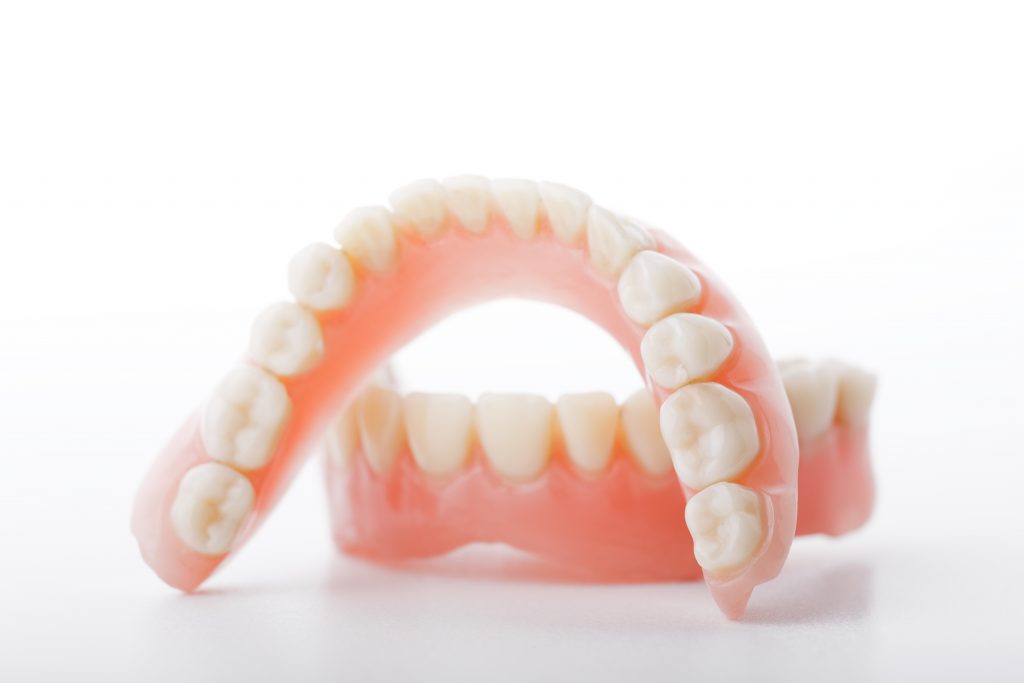
A PARTIAL DENTURE is used when the patient still has some of his or her natural teeth. The partial dentures are made of acrylate, bio thermopress or vironite.
IMMEDIATE DENTURE is a denture that is placed on the same day that the teeth are extracted.
DENTAL IMPLANT DENTURES are dentures that attach to dental implants. Dental implants are implanted into the bone, with special anchorages that later hold the denture. These anchors can be in the form of small balls or rungs. An excellent feature of dentures on implants is that they can be easily removed for cleaning and hygiene purposes, but when worn they are securely fixed and feel safe while eating or talking. The recommended number of implants in the upper jaw for making a denture are 4 – 6 implants, while in the lower jaw for sufficient stability it is necessary to install two, and for optimal stability 4 implants.
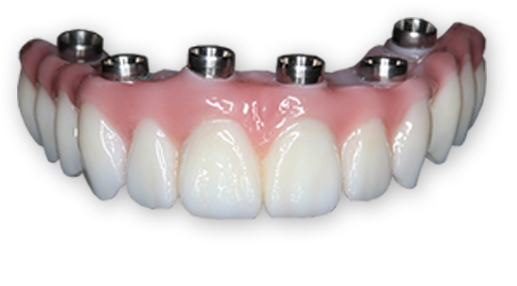
SNAP IN DENTURES are the most effective choice when it comes to denture stability. They are held firmly in place by anchoring the existing teeth. What makes them unique are the locators embedded within the denture and on the tooth or cured crusted remains. This means that they can be removed. If you have a problem with toothlessness, contact Dr. Bigava Maršić’s office to resolve the issue.
In any case, every denture is better than any toothlessness.
If you have additional questions or would like to make an appointment feel free to call us 021 537333.