
RESTORATIVE DENTISTRY

Restorative dental medicine deals with the replacement of lost dental tissue. This therapy is probably the most common procedure done at a dental office. If tooth decay is detected on time, then after cleansing it while preserving healthy dental tissue, we can preserve the tooth. Function is very important and aesthetics, so we choose the highest quality materials and take enough time to restore your teeth to its original shape and color and to make your filling last as long as possible.
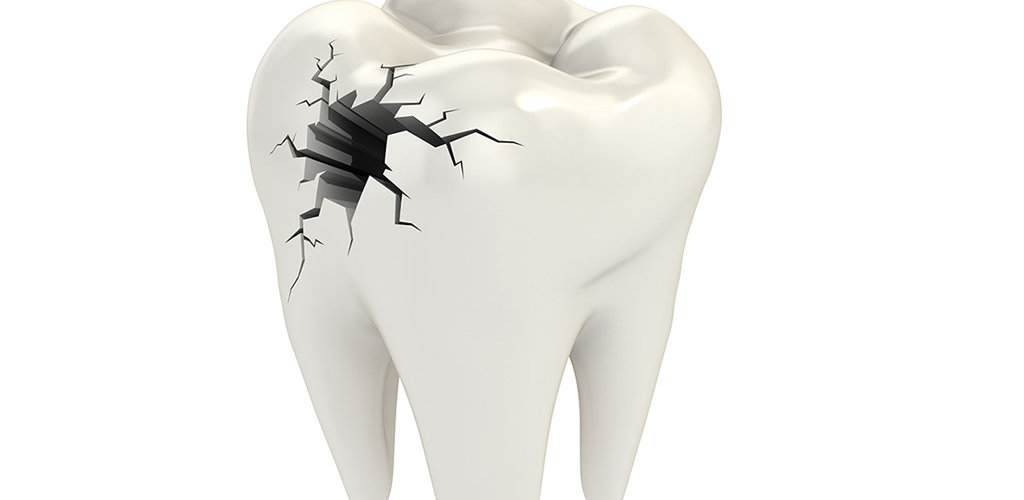
Decay / caries is now considered to be the most widespread infectious disease in man and very rare are those who have never because of it sat in a dental chair. Caries itself is the last stage of a complex and time-consuming process that comes from the interaction of many factors, the most important being oral hygiene, nutrition and time.
The amount of dental plaque, or the nutrients available to the bacteria, depends on whether the caries will progress faster or slower. In the earliest stages, caries looks like a chalky white blur that is the result of the loss of minerals from the enamel. When it passes through the entire thickness of the enamel and reaches the dentin, the caries progress accelerates because the dentin is less mineralized than the enamel and less resistant to acid. Sometimes, caries can be extensive and develop inside hard dental tissues, leaving the cavity small on the surface and invisible to the eye.
Initial caries limited to enamel does not hurt.
Symptoms appear only when the decay/caries penetrate the dentin, or when the tooth damage is already relatively large. Pain occurs when in contact with warm, cold and sweet foods.
If penetration of bacteria goes into the pulp the damage is permanent and the pain becomes much more intense, occurs spontaneously and often requires immediate intervention by the dentist for endodontic treatment
AESTHETIC FILLING
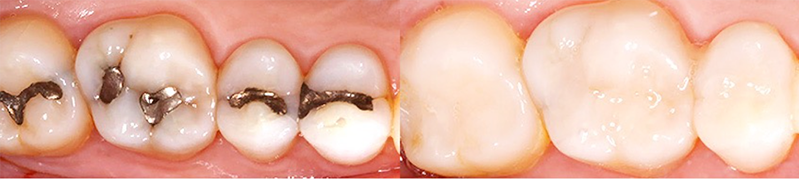
Aesthetic restorations, or known as white fillings, restore and mimic the natural appearance of your teeth. In addition to compensating for the loss of hard dental tissues, white fillings can be used for aesthetic purposes to change the size, color and shape of teeth. They are especially useful in closing gaps in between teeth and repairing broken teeth.
What are the benefits of aesthetic /white fillings and inlays or onlays?
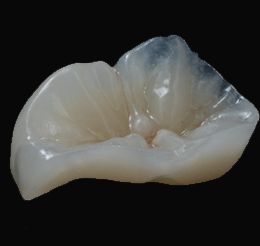
If the tooth is slightly more extensively damaged, we recommend making an indirect ceramic filling (inlay, onlay, overlay). Unlike direct composite restoration, it is made in a dental laboratory on the basis of an impression taken at the office.It is cemented with tooth-colored composite cements. Due to the strength and quality of the material it is made of, it is functionally and aesthetically superior to the composite material.
If penetration of bacteria goes into the pulp and as a result permanent damage is done , intervention by the dentist for endodontic treatment is needed.
ROOT CANAL THERAPY

Endodontics is a branch of dental medicine that deals with the treatment of various inflammations of the root canals of the tooth. Regular controls, timely removal of caries, removal of poor quality and worn fillings are the best solution in the prevention of a toothache. If we do not remove caries, the bacteria that builds up in the mouth can enter the dental canal and cause inflammation of the pulp (dental nerve), which in turn will cause severe toothache.
Dental inflammation
Deep caries or tooth trauma can lead to pulpitis or inflammation of the dental nerve, which manifests as severe pain and possible swelling. Through bacterial propagation, inflammation causes soft tissue decay in the dental canal. Inflammation can lead to periapical changes (granuloma), while stronger inflammation will lead to bone destruction with very severe pain, and ultimately to tooth loss.
Do you treat or remove a tooth?
If the dentist determines that the pulp is in the process of dying, there are two therapeutic options: endodontic treatment of the tooth or its removal. It is certainly better to first try to treat the tooth with endodontic treatment and keep it in the jaw than to remove it, because no dental replacement can be as good as one’s own tooth, a fact that merits patient patience, which is an indispensable and necessary part of endodontic dental treatment .
Endodontic treatment of teeth
Treatment consists of opening the tooth causing pain with anesthesia and removing infected tissue from the inside of the tooth. Endodontic treatment is actually a complex microsurgical procedure that depends on the future of the tooth itself, so a dry, saliva-free working field, the control of RTG images and the use of state-of-the-art technologies and materials are essential for success. After manual or machine cleaning of the dental canals (ProTaper, HeroShaper, WaveOne, etc.) and the flushing of the inflamed and dead tissue with special chemicals, the tooth canals must be sealed to prevent reinfection and possibly be provided with a crown (in in the case of missing a larger part of the tooth). If all the symptoms subsided and the tooth shows signs of healing on the RTG images, we can say that the endodontic surgery has succeeded. In rare cases, due to an overreaction of the organism, persistent bacteria or breakage of small cleaning instruments in the tooth canal itself can happen. An apicotomy is then initiated. (a small surgical procedure where the tip of the root and inflamed surrounding tissue are removed).
If you have additional questions or would like to make an appointment feel free to call us 021 537333.